
Title: What is Cardiac Catheterization and Why is it Done?
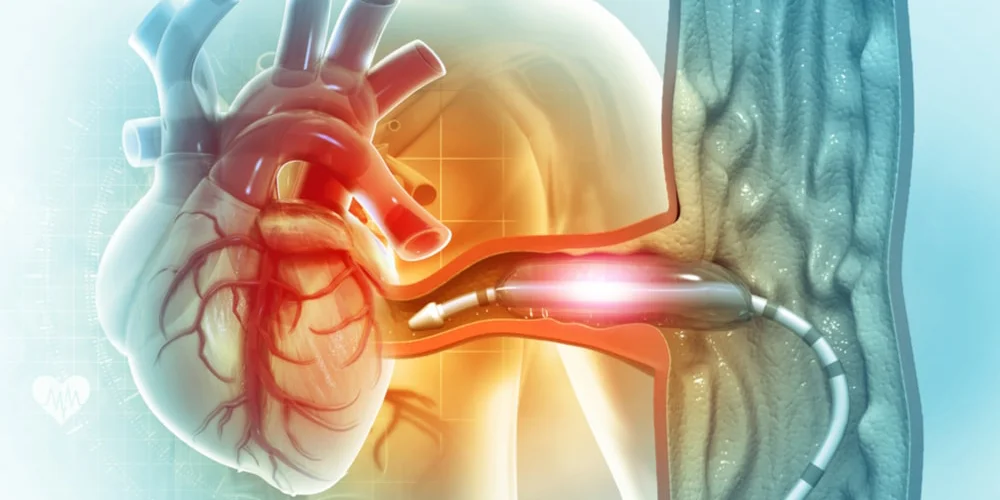
Cardiac catheterization is a diagnostic procedure that helps doctors closely examine the heart’s function and detect blockages in the coronary arteries.
Dr. Girish Kale, a leading Interventional Cardiologist in Nashik, explains that this test involves inserting a thin, flexible tube (catheter) through the wrist or groin and guiding it to the heart. Once in place, it helps measure blood pressure, oxygen levels, and identify areas of restricted blood flow.
Why Cardiac Catheterization is Important
This procedure is crucial for:
- Diagnosing coronary artery disease (CAD)
- Planning angioplasty or stent placement
- Evaluating heart valve and muscle function
Safety and Recovery
Cardiac catheterization is typically performed under local anesthesia. It’s a safe, quick, and minimally invasive test that provides vital insights into your heart’s condition, allowing timely and effective treatment.
Expert Advice from Dr. Kale
“Early diagnosis can prevent severe complications like heart attacks. Don’t ignore symptoms such as chest pain or shortness of breath—timely evaluation can save your life.” – Dr. Girish Kale